Why drying things in a vacuum still needs heat
Low pressure alone won't pull moisture from inside a material, and in a vacuum only radiation can carry the heat that does.
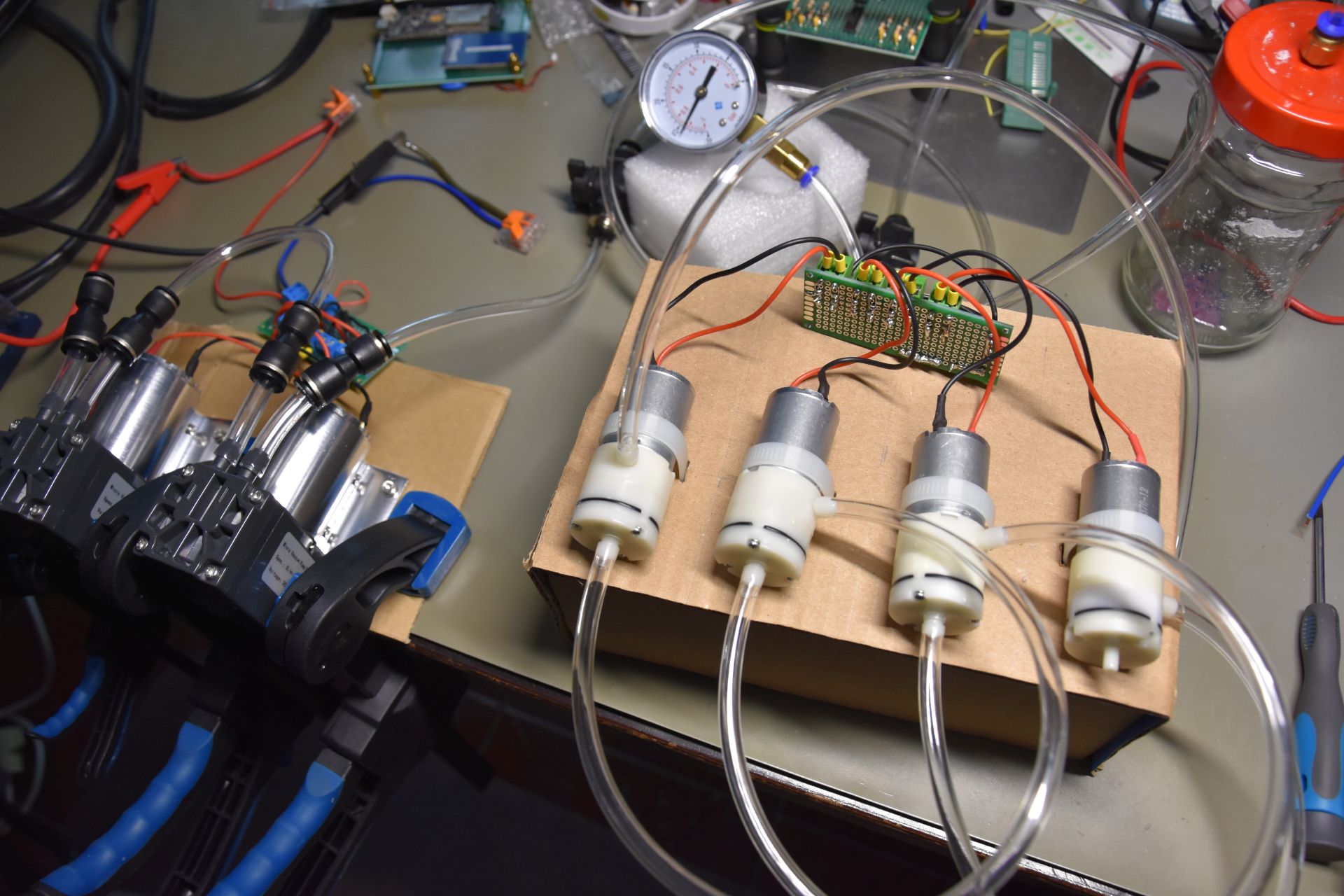
Pull a vacuum around something wet and it feels like the water should simply leave. It does not, at least not all of it. In a Hackaday article published on 1 October 2026, writer Maya Posch argues that low pressure alone cannot pull moisture from inside a material. That takes heat, and in a vacuum heat has only one way to arrive.
The point builds on an earlier entry in Posch's series on drying. "After previously exploring the impact of vapor pressure on the drying of desiccant and more," she writes, she had reached a blunt conclusion: moisture held inside a material, rather than sitting on its surface, has to be driven out by applying heat. Lowering the pressure helps water at the surface escape, but it does not reach what is trapped within.
The complication is how heat travels. Conduction and convection both need matter to carry energy from one place to another. A vacuum, by definition, has very little of it. That leaves radiation, energy crossing empty space, as the only practical way to warm something sealed inside an evacuated chamber.
Posch lays out two options. One is to heat the walls of the chamber itself and let them radiate inward. The other is to power a heating element placed inside the chamber, which means getting electricity through the sealed wall. For the test rig, she used banana plug terminals as feedthroughs, sealed with silicone O-rings.
The heater was a PTC element, for positive temperature coefficient, that self-regulates to a rated 70 °C on 5 volts DC. The article reports it drew about 1 amp at first and settled to about 0.3 amp once it reached 60 °C. A dual-stage eccentric diaphragm pump brought the chamber down to -0.8 bar.
The falling current is the self-regulation at work: as the PTC element warms toward its rated temperature, its resistance climbs and it draws less power, holding itself near 70 °C without a separate controller.
The sample was modest: 3.25 grams of colour-changing desiccant, the kind that shifts from blue to pink as it takes on water, held in a plastic bag. The gentle, slow approach stands in clear contrast to a faster one. Drying desiccant in a microwave is aggressive, Posch notes, citing reports of it going badly.