A common Wi-Fi chip can double as a radio receiver
An undocumented mode in the ESP32 exposes the raw signal stream, so salvaged boards can pick up radio.
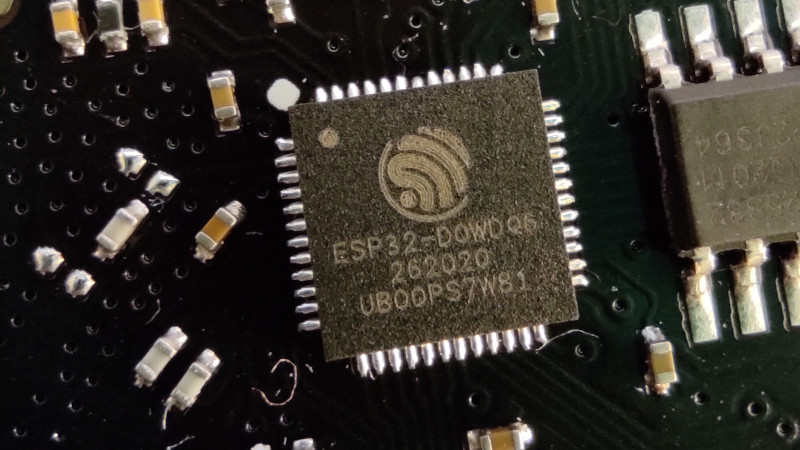
The ESP32 is one of the most common Wi-Fi microcontrollers in the world. It sits soldered into smart plugs, sensors, and a million hobby projects. On 3 October 2026, Hackaday's Jenny List reported that some of these chips hide a second life. There is an undocumented mode that turns them into software-defined radio receivers, able to pull signals out of the air the chip was never sold to handle.
A software-defined radio, or SDR, grabs the raw radio signal and hands it to a computer. Software then does the work that dedicated hardware used to do. List compared the ESP32's hidden trick to an older one. "Perhaps the most famous of all the software-defined radio (SDR) receivers is the RTL-SDR, a digital TV receiver on which an undocumented feature was found," she wrote.
The method, according to the article, is to tap the raw I/Q signal stream before it reaches the chip's Wi-Fi modem. Once that stream is exposed, ordinary SDR software on a connected computer can read and process it. The capability was found separately by Espargos and by a Reddit user called h0m3us3r.
It does not work on every ESP32. The article says it runs on chips built with Tensilica hardware, and on earlier versions, but not on the low-power Bluetooth-only variants, and not on P4 models that have no radio at all. Where it does work, it covers the 2.4 GHz band, and on some chips the 5 GHz band too.
On paper the numbers are huge: 80 million samples a second at 32 bits each, which comes to 2,560 megabits a second poured into the chip's internal memory. The catch is getting those samples back out. The chip's output links are far slower. The article says the ESP32-S31 copes by sending 8-bit samples to a PC over USB 2.0 at 20 million samples a second.
The point here is less about raw performance and more about what is already in your hands. The ESP32 lives inside countless everyday devices. That means a receiver able to listen across busy wireless bands may be recoverable from gear built for nothing of the kind.
So far only receiving is documented, though community projects have poked at transmitting. If you have a drawer of salvaged boards, that detail matters. A working radio receiver may already be sitting inside hardware built for something else entirely, waiting for nothing more exotic than a computer and the right software.
Sources
- The ESP32, An SDR In Itself · Hackaday